The Table
At the Cretan table
The much-studied Cretan diet was never a diet here — it was just dinner. We went looking for where that everyday cooking still happens, a street back from the harbour.
Researchers have spent decades pulling apart what people on this island ate in the mid-twentieth century, when a study of post-war diets put Crete near the top for long, healthy lives. Their findings read like a shopping list: a great deal of olive oil, wild greens by the kilo, bread and pulses, almost no red meat, plenty of fruit, and a small glass of local wine with dinner. None of which the people involved thought of as virtuous. It was what the land gave and what money allowed, which usually wasn't much.
That is the thing to hold onto when you sit down to eat here. The best Cretan food is poor-kitchen food made well, and the worst of what gets served to visitors is poor-kitchen food dressed up to look like a holiday. Knowing the difference is most of the battle.
What the kitchen actually leans on
Start with olive oil, because everything does. Crete produces some of the most prized oil in Greece, and it is used with a generosity that startles people from places where oil is a seasoning. It goes into the pan, over the salad, across the bread, and into the dessert. A good taverna will have its own oil or a neighbour's, decanted into an unlabelled bottle left on the table.
Then the greens. Horta covers a whole category of boiled wild and cultivated leaves — dandelion, amaranth, fennel tops, and the slightly bitter stamnagathi that has crept onto smarter menus and prices. Served warm or room-temperature, dressed with oil and lemon, it tells you most about a place. If the horta is good, order more of everything.
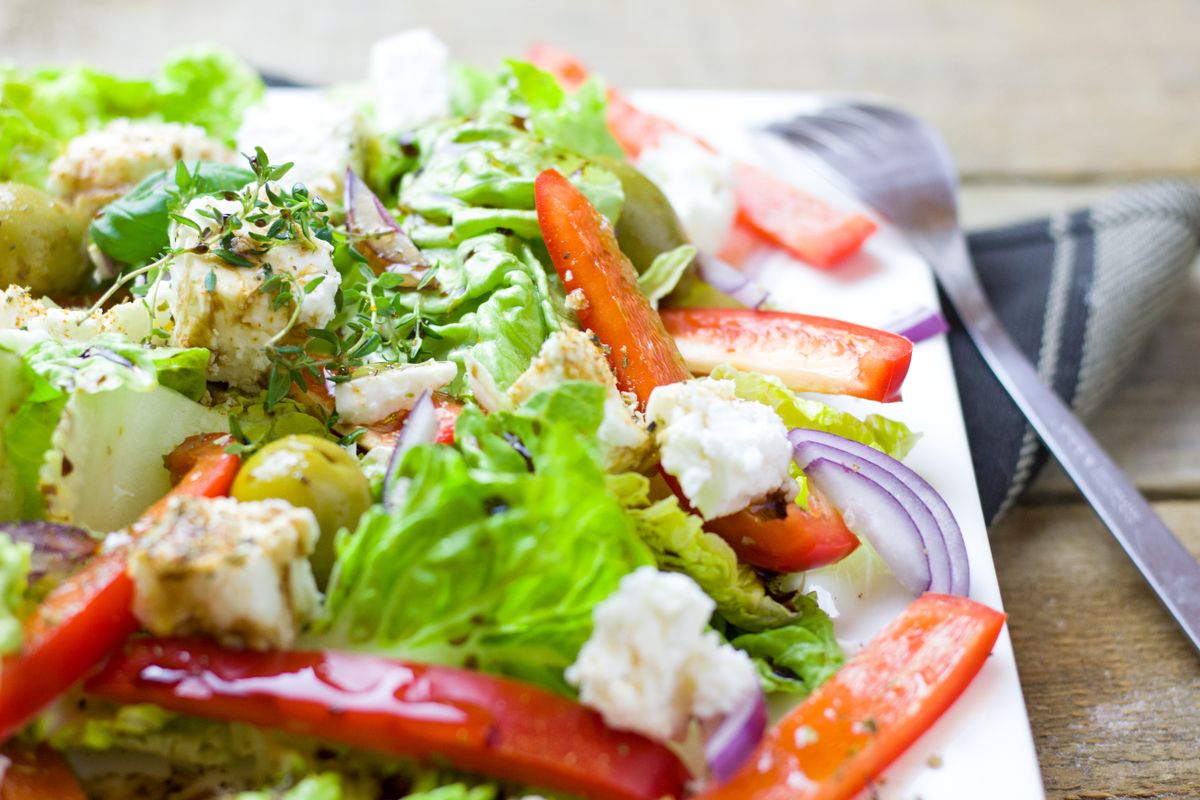
A few dishes worth knowing by name before you read a menu:
- Dakos — a hard barley rusk softened with grated ripe tomato, drenched in oil, and topped with crumbled mizithra or feta and dried oregano. The island in one bite, and a good test: a stale, under-soaked rusk means a kitchen cutting corners.
- Kalitsounia — small pastries folded around soft cheese or herbs, baked or fried, sometimes finished with honey. Snack, starter, or breakfast.
- Gamopilafo — the buttery "wedding rice," cooked in meat broth until it is rich enough to stand alone. Once strictly for celebrations, now found year-round if you ask.
- Chochlioi boubouristi — snails fried face-down in oil with rosemary and a splash of vinegar. Better than it sounds, and a genuinely local habit rather than a tourist dare.
- Apaki — pork cured and smoked over aromatic woods, sliced thin. A mountain food that keeps.
Meat, when it appears, tends to be lamb or goat cooked slowly. Antikristo is the open-fire method, the meat staked around the embers and turned for hours; tsigariasto is the pot version, braised down soft. Cheeses earn their own respect: hard, nutty graviera; fresh and ricotta-like mizithra; mild anthotyro. A wedge of graviera with a few olives and bread is a meal we have happily defaulted to more than once.
The raki at the end is not a bill padder
Here is the custom that confuses first-timers. You finish your food, you have not asked for anything else, and the owner appears with a small plate of something sweet — fruit, a sliver of cake, spoon sweets, kalitsounia drizzled with honey — and a carafe of clear spirit. This is tsikoudia, also called raki here, distilled from what the grapes leave behind after the wine is made. It is the welcome and the farewell, and it is free.
The raki arrives because the meal is over, not because anyone is trying to keep you at the table spending. Refusing it isn't rude, exactly, but accepting it is the whole point. Sip, don't shoot.
Drink slowly. It is stronger than it looks and the pour is rarely small. If you are driving back, one is plenty, and most owners won't blink if you nurse it or share it. The gesture matters more than the volume.
Cretan wine is having a quiet revival on the back of native grapes worth seeking out. Whites from Vidiano can be full and a touch peachy; reds from Liatiko are pale, soft, and old-fashioned in the best way. Ask for whatever is local and open rather than reaching for a bottle you'd recognise at home.
How to eat well, and where not to bother
One rule does most of the work, and it is almost embarrassingly simple: walk away from the water. Tavernas facing the harbour in Heraklion's old town and along the Venetian quay in Rethymno are not all bad, but the ones with laminated photo menus and a tout outside reciting a "Greek sampler" almost always are. One street back, where the rent is lower and the customers are local, the cooking improves and the prices drop.
Look for the mageirefta — the trays of dishes cooked in the morning and held warm: stuffed vegetables, beans in oil, braised greens, baked fish, the day's stew. Good places will wave you toward the kitchen to point at what you want. That walk to the trays is the single most useful thing you can do at a Cretan table.
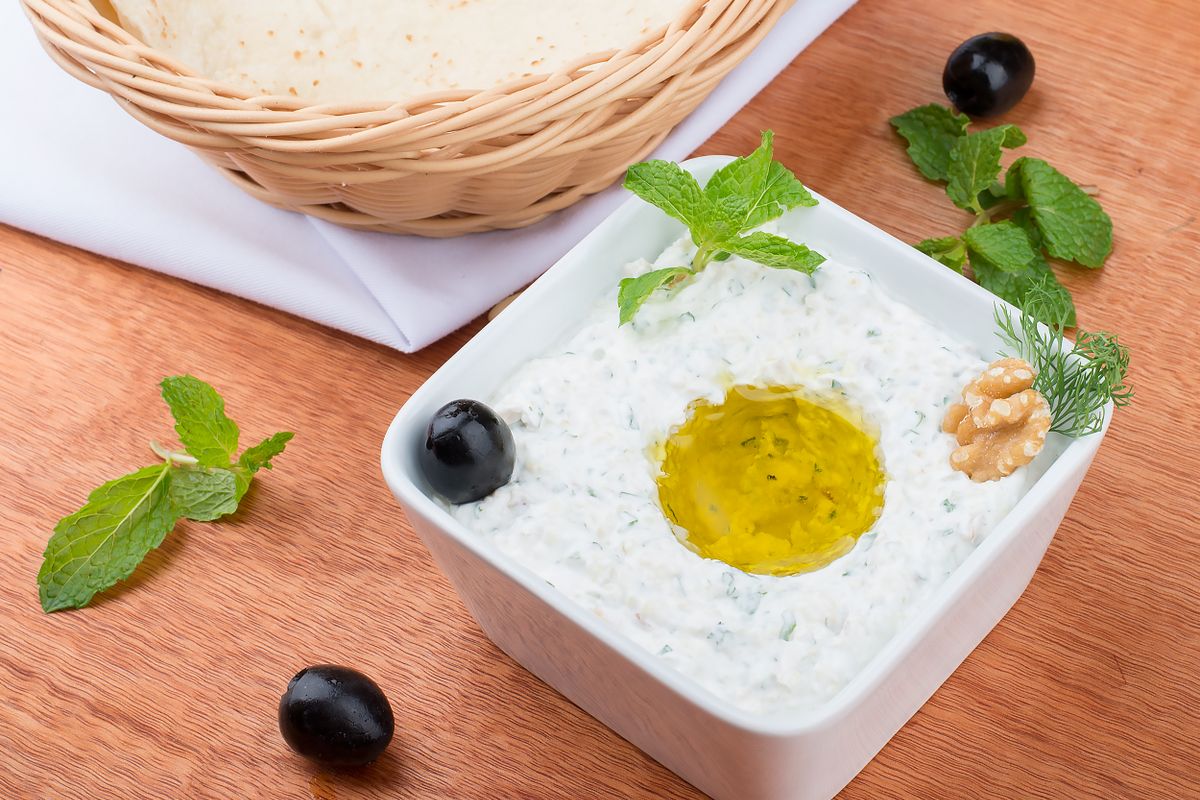
A handful of habits that have served us well across the island:
- Order fewer dishes than you think you need. Portions are large and the bread keeps coming.
- Let the owner steer you. "What's good today?" gets a more honest answer than reading the menu cover to cover.
- Share. The food is built for the middle of the table, not for one plate each.
- Eat late. Kitchens fill from nine, and the village kafeneio often cooks better than the place with the sea view.
One quiet bonus: a lot of this food is naturally meat-free. During the Orthodox fasting periods Cretans eat nistisima — Lenten dishes built on pulses, greens, and oil — which means vegetarians and vegans tend to eat unusually well here without anyone treating it as a special request. Snails and apaki aside, much of the everyday repertoire never had meat in it to begin with.
The verdict from the table
After enough meals to lose count, the pattern is clear: the best ones were almost never the most elaborate. A plate of horta with lemon. Dakos that someone soaked properly. Bread torn into good oil. A bowl of beans that had been on the stove since morning. Cheese, olives, a tomato that actually tasted of something, and whatever the kitchen had cooked that day.
Fancier cooking exists, and some of it is genuinely good. But if you remember one thing, let it be this — on this island the plainest food is usually the proudest. Eat where locals eat, take the raki when it comes, and you'll understand why people kept studying what these mountains and this coast put on a plate. For moving between the harbour towns and the inland villages where the cooking is best, see our notes on getting around Crete.
For the official line on what the so-called Mediterranean way of eating involves, UNESCO's listing of the Mediterranean diet is a useful primer; the national tourism board's gastronomy pages cover regional dishes more broadly; and for the wines, the producers' body Wines of Crete maps the native grapes and where they grow.